I'm Free

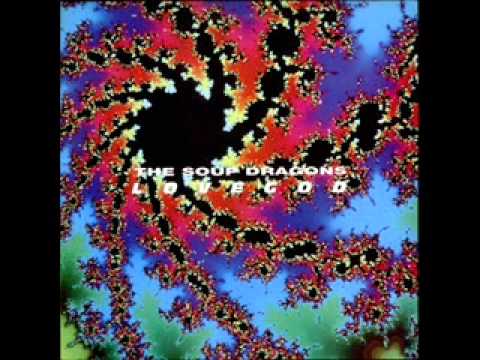
Album: Lovegod (1990)
Charted: 5 79
Play Video

Songfacts®:

  • This is a reggae-infused version of an old Rolling Stones song. The Stones originally released it as a B-side to the United States version of their single "Get Off My Cloud" in 1965. It was also included on the albums Out Of Our Heads in the UK and December's Children in the US.

    The song isn't a pure cover, as it takes many musical liberties and alters the lyrics. But it's similar enough that Mick Jagger and Keith Richards, the writers of the original, are credited as the only composers on the Soup Dragons version.
  • This features Junior Reid, the Jamaican reggae/dance hall artist who replaced Michael Rose as lead vocalist with Black Uhuru.
  • The band felt free to change the lyrics from the Rolling Stones' original, which was necessary because they didn't have them. Lead singer Sean Dickson sang what he could remember and made up the rest.

    Among the lines to come out:

    I'm free to sing my song though it gets out of time

    I'm free to choose what I please any old time


    Among the new lyrics:

    I'm free to be who I choose
    To get my blues any old time
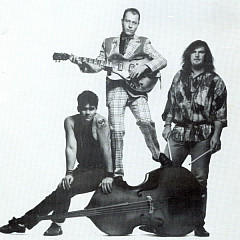
  • The Soup Dragons were a Scottish band who were named after a character in the British children's TV show The Clangers. The guitarist Jim McCulloch was also a member of Thunderclap Newman. They originally had a pop-punk sound, but by 1990, they had embraced the Madchester scene and had adopted a fusion of acid house and rock that was popular in Britain at the time.

    "I'm Free" was their biggest single in the UK, but in America they had further success with "Divine Thing," which in 1992 peaked at #35. The band split in 1995.
  • The song first got attention when the 12-inch single version, running 8:05, took off in dance clubs. The 7-inch single (the radio version) is edited down to 3:45.
  • Matthew Amos directed the video, which got the band on MTV. Amos later became a top director of concert videos, with Coldplay, Red Hot Chili Peppers and Maroon 5 among his clients.
  • Chase used this in a commercial television advertisement campaign to promote their credit cards. >>
    Suggestion credit:
    Bertrand - Paris, France
  • This was featured in the 1999 film The Other Sister.
  • This song foisted the Soup Dragons to fame, but five years later, they disbanded. Sean Dickson ended up coming out as gay in 2001 and embracing dance music, reinventing himself as Hifi Sean. In a Songfacts interview with Dickson, he said: "It was crazy times. It opened a lot of doors but also closed others. Sometimes the hits hurt."
  • Dickson wanted a gospel choir, so they looked in the telephone directory and found one. "I had to fax over the lyrics to the pastor for approval so I changed them to stuff like: I'm free to love God any old time,'" he confessed to The Guardian. "We had 34 people singing the proper lyrics in the studio, though."

Comments

Be the first to comment...

Editor's Picks

Does Jimmy Page Worship The Devil? A Look at Satanism in Rock

Does Jimmy Page Worship The Devil? A Look at Satanism in RockSong Writing

We ring the Hell's Bells to see what songs and rockers are sincere in their Satanism, and how much of it is an act.

Bryan Adams

Bryan AdamsSongwriter Interviews

What's the deal with "Summer of '69"? Bryan explains what the song is really about, and shares more of his songwriting insights.

Rush: Album by Album - A Conversation With Martin Popoff

Rush: Album by Album - A Conversation With Martin PopoffSong Writing

A talk with Martin Popoff about his latest book on Rush and how he assessed the thousands of albums he reviewed.

Spooner Oldham

Spooner OldhamSongwriter Interviews

His keyboard work helped define the Muscle Shoals sound and make him an integral part of many Neil Young recordings. Spooner is also an accomplished songwriter, whose hits include "I'm Your Puppet" and "Cry Like A Baby."

Gary Brooker of Procol Harum

Gary Brooker of Procol HarumSongwriter Interviews

The lead singer and pianist for Procol Harum, Gary talks about finding the musical ideas to match the words.

Who's Johnny, And Why Does He Show Up In So Many Songs

Who's Johnny, And Why Does He Show Up In So Many SongsSong Writing

For songwriters, Johnny represents the American man. He has been angry, cool, magic, a rebel and, of course, marching home.