
The lyrics to "Heartbreak Hotel" were written by a steel guitar player who was once a dishwasher repairman. He was inspired by a newspaper story about a man who killed himself and left behind a note saying only, "I walk a lonely street."
John Lennon's lead guitar work on Yoko Ono's "Walking On Thin Ice" proved to be his final creative act. It was upon their return home after completing laying down the track that Lennon was murdered by Mark David Chapman.
"What's Up" by 4 Non Blondes has endured as one of the most popular songs of the '90s, but it wasn't a huge hit at the time and the band split after one album. Frontwoman Linda Perry went on to write hits for Pink and Christina Aguilera.
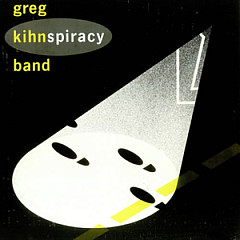
"Jeopardy" by The Greg Kihn Band got the Weird Al treatment with "I Lost On Jeopardy." Kihn and Jeopardy game show announcer Art Fleming both appear in the video.
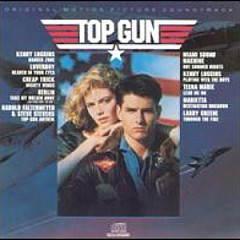
"Take My Breath Away" from Top Gun was a huge hit for Berlin, but lead singer Terri Nunn was the only band member to perform on it. This caused friction that broke up the group a year later.
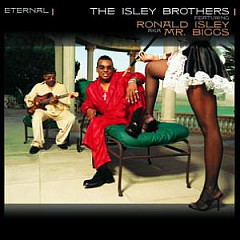
The Isley Brothers became the first group to score a Top 50 hit in six consecutive decades when their song "Contagious" peaked at #19 in 2001. Their first entry was their song "Shout" in 1959.
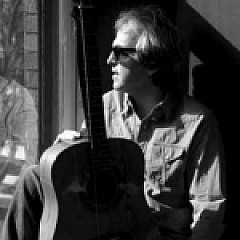
On Glen's résumé: hit songwriter, Facebook dominator, and member of Styx.
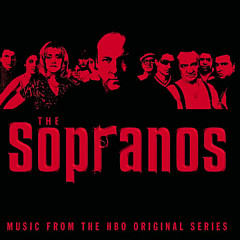
Was a Beatles song a TV theme? And who came up with those Fresh Prince and Sopranos songs?
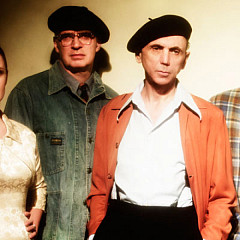
"Come On Eileen" was a colossal '80s hit, but the band - far more appreciated in their native UK than stateside - released just three albums before their split. Now, Dexys is back.
How well do you know your David Bowie lyrics? Take this quiz to find out.
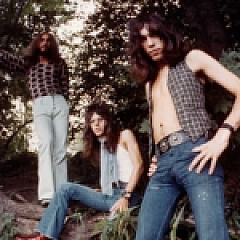
Richie talks about producing the first two Kiss albums, recording "Brother Louie," and the newfound appreciation of his rock band, Dust.
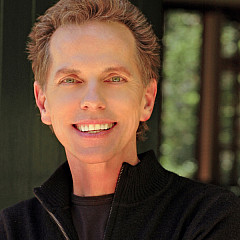
Dean wrote the screenplay and lyrics to all the songs in Footloose. His other hits include "Fame" and "All The Man That I Need."