
Rock and Roll Pussy

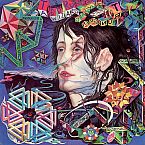
Album: A Wizard, a True Star (1973)
Play Video

Songfacts®:

  • In this song, Rundgren takes on musicians who sing about changing the world but then do nothing about it. The line, "get up and see the revolution on the TV" seemed to be directed at John Lennon and his song "Revolution." This led to a war of words between Lennon and Rundgren that played out in the press. In September 1973, Rundgren did an interview with the British music magazine Melody Maker where he said, "John Lennon ain't no revolutionary. He's a f--- idiot, man. Shouting about revolution and acting like an ass. It just makes people feel uncomfortable. All he really wants to do is get attention for himself, and if revolution gets him that attention, he'll get attention through revolution.

    Lennon replied in the magazine with his "Open Lettuce to Sodd Runtwhistle," where he wrote, "Somebody played me your rock and roll pussy song, but I never noticed anything. I think that the real reason you're mad at me is cause I didn't know who you were at the Rainbow (L.A.) Remember that time you came in with Wolfman Jack? When I found out later, I was cursing cause I wanted to tell you how good you were. (I'd heard you on the radio.)"

    The rivalry between Lennon and Rundgren took a strange and tragic turn when it was revealed that Lennon's killer, Mark David Chapman, was similarly obsessed with Rundgren and tried to find him a few days before Lennon's murder. Chapman left a copy of Rundgren's second album in the hotel where he checked out the day he killed Lennon, and when he was caught, Chapman was wearing a promotional T-shirt for Rundgren's Hermit Of Mink Hollow album. In an interview after his incarceration, Chapman said Rundgren's music was the "soundtrack to my life."

    Rundgren would later say that "Rock and Roll Pussy" was not specifically about Lennon, telling Spinner, "One can say that John Lennon was guilty possibly of some of the finger-pointing that the song evinces, but it's mostly the whole idea of talk versus action and not specific to any one person."
  • The album A Wizard, a True Star was overshadowed by Rundgren's previous release, Something/Anything? and its single "Hello It's Me," which became a hit when radio stations started playing it late in 1973, about six months after A Wizard was released. A Wizard, a True Star was a much less accessible album, and it contained no singles. Rundgren, who had plenty of money from his work producing other artists, said that the album was an important part of his musical evolution, and he didn't care about its commercial prospects. He stood by the album and in 2009 started doing shows where he performed it in its entirety.

Comments: 1

  • Roman from Barrie, OnSaw Todd at an outdoor, evening concert. Although his music was great as usual, he wore sun glasses and aside from the "thank you" after each song he did not say much more to the audience. With his eyes covered it was impossible to tell if he was really into the prformance or just earning another paycheque.
see more comments

Editor's Picks

Facebook, Bromance and Email - The First Songs To Use New Words

Facebook, Bromance and Email - The First Songs To Use New WordsSong Writing

Where words like "email," "thirsty," "Twitter" and "gangsta" first showed up in songs, and which songs popularized them.
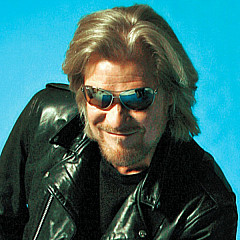
Daryl Hall

Daryl HallSongwriter Interviews

Daryl Hall's TV show is a hit, and he's been inducted into the Rock and Roll Hall of Fame - only one of these developments excites him.
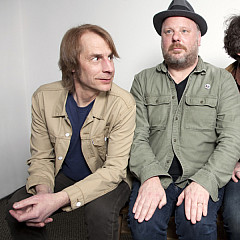
Mark Arm of Mudhoney

Mark Arm of MudhoneySongwriter Interviews

When he was asked to write a song for the Singles soundtrack, Mark thought the Seattle grunge scene was already overblown, so that's what he wrote about.
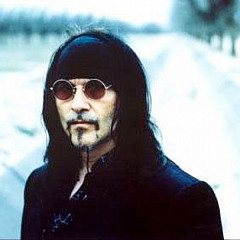
Al Jourgensen of Ministry

Al Jourgensen of MinistrySongwriter Interviews

In the name of song explanation, Al talks about scoring heroin for William Burroughs, and that's not even the most shocking story in this one.

The Fratellis

The FratellisSongwriter Interviews

Jon Fratelli talks about the band's third album, and the five-year break leading up to it.

Chris Frantz of Talking Heads

Chris Frantz of Talking HeadsSongwriter Interviews

Talking Heads drummer Chris Frantz on where the term "new wave" originated, the story of "Naive Melody," and why they never recorded another cover song after "Take Me To The River."