The song was inspired by the massacre of Kampuchea, which was a state existing from 1975 to 1979 in what is now Cambodia. It was run by the Khmer Rouge, a Communist group that controlled the state with an iron fist and murdered all who opposed it.
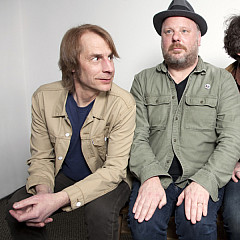
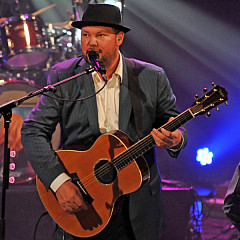
This was the Birmingham band's first single. It was released as a double A-side with "King," which was a lament for Dr. Martin Luther King, which was also a rootsy, ska-based song. "King" seemed to be the favorite with live audiences, but it was "Food For Thought," that got the airplay and became their first hit. It charted despite being released without any major-label marketing or promotion, but they were aided by being the support act to The Pretenders on their UK tour, after
Chrissie Hynde saw them playing in a pub.
The song is a bitter meditation on third-world poverty, and an indictment of politicians refusal to relieve famine. For many listeners it took a while to decipher the lyrics sung by Ali Campbell and discover for instance that he wasn't singing "I Believe In Donna," he is in fact referring to an "Ivory Madonna."
"The idea was an anti- Christmas song, about hypocrisy," guitarist Robin Campbell told Uncut magazine.
UB40 played their first gig in February 1979. The money needed to start the band and buy instruments came from compensation awarded to after he was glassed in a pub fight.
This song, along with the rest of the album, was recorded in a Birmingham bedsit. The room was so small that the drummer Norman Hassan had to record his percussion in the garden. On some of the tracks if you listen really closely, you can hear the birds singing in the background.
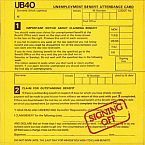
The band titled their first album Signing Off, as they were signing off from the unemployment benefit. The band's name comes from the paper form that needs to be completed by someone wanting to claim unemployment benefit in the UK-an Unemployment Benefit Form 40.
The lyric "Ivory Madonna" was often misheard by fans to mean things like "I'm a prima donna" or "I, Marie and Donna." UB40 guitarist Robin Campbell found this amusing, but was also bothered a bit by how the song's message was lost on many people.
The band debated the subtlety of the lyrics before settling on the final version, and Campbell regretted being too ambiguous.
"I find it incredible that people can't understand it," Campbell said. "That upsets me. I think the symbolism's quite obvious. But now I'm concerned about writing too subtly."
"Mmm, I'm all for being blatant," said bassist Earl Falconer in discussing the topic.
The original working title of this bleak protest anthem was "The Christmas Song," until one of the band's roadies suggested "Food for Thought" would be a better title. Trumpeter Astro told Uncut magazine: "The song was basically about the hypocrisy of celebrating Christmas in the west. We're eating and drinking more than we need. There's so much surplus food, while millions of Africans were dying of hunger due to famine and third-world poverty. It was shocking. Politicians putting politics before people, leaving them to rely on charitable institutions. This was pre-Band-Aid."
Ali and Robin Campbell wrote the lyric with considerable help from their father, the Scottish folk singer - and staunch communist - Ian Campbell.
Brian Travers' saxophone is completely out of tune throughout the whole song. Ali Campbell told Uncut it wasn't Travers' fault. "It was a saxophone made for a completely different era - and Travers couldn't get into tune," he explained. However much he tried. It's difficult for me to listen to (the song). I've always winced a little every time I hear it."
The band's local football club, Birmingham City FC, use "Food For Thought" as an anthem. The horn line is played every time a goal is scored.