Van der Graaf Generator

Van der Graaf Generator Artistfacts

  • 1967–1972, 1975–1978, 2005
    Peter HammillVocals, guitars, electric and acoustic piano, keyboards, bass1967–1972, 1975–1978, 2005
    Chris Judge SmithDrums, percussion, wind instruments1967–1968
    Nick PearneOrgan1967-1968
    Hugh BantonOrgan, piano, keyboard, bass1968–1972, 1975–1976, 2005-
    Guy EvansDrums1968–1972, 1975–1978, 2005
    Keith EllisBass1968-1969
    Nic PotterBass, guitar1969–1970, 1977–1978
    David JacksonSaxophones, flute, piano1969–1972, 1975–1977, 1978
  • Van der Graaf Generator are an English rock band who were one of the most uncompromising groups of the progressive era. Formed in Manchester in 1967 by singer-songwriters Peter Hammill and Chris Judge Smith, they were the first act signed to Charisma Records. Driven by Hammill's dramatic vocals and Hugh Banton's organ work, their long, theatrical compositions set them apart from their prog-rock peers.
  • Chris Judge Smith came up with the band's concept after visiting San Francisco in 1967. Inspired by the West Coast music scene, he drew up a list of potential band names. He settled on the Van de Graaff generator, a machine that produces static electricity with lightning-like sparks, though he misspelled it by accident.
  • The initial lineup was a trio of Manchester University students: Hammill, Smith, and organist Nick Pearne. Mercury Records offered them a contract in 1968, but only Hammill signed it. The arrangement was short-lived, and the group split in 1969.
  • Their 1969 debut album, The Aerosol Grey Machine, started as a Hammill solo project. Mercury released it under the Van der Graaf Generator name to fulfil the deal that freed Hammill from his contract. Hammill recorded the record alongside organist Hugh Banton, bassist Keith Ellis, and drummer Guy Evans.
  • Their follow-up, 1970's The Least We Can Do Is Wave to Each Other, was their only album to break into the UK charts. The band made it in just four days, including the mixing.

    "It was absolutely electric," saxophonist David Jackson told Uncut magazine. "We were playing, writing, and recording songs very fast. Too fast, maybe, in retrospect you think, 'My God, that was a bit rough and ready...'"
  • Jackson's signature double-saxophone sound originated from a failed experiment. He had tried copying jazz legend Roland Kirk but later admitted the style didn't fit his college music setup. Once he joined forces with Hammill, the dual horns clicked. Hammill preferred writing in keys like D and E, which Jackson noted "no self-respecting jazz musician would touch with a barge-pole," yet they proved ideal for multi-tracked saxophone parts.
  • Hammill's official solo debut, Fool's Mate (1971), mostly contains material from the band's early 1967–1968 period. Issued on Charisma, the band's primary home label, it established a routine where Hammill's solo work and the band's releases frequently shared the same core musicians.
  • 1971's Pawn Hearts contains just three long tracks. The album's popularity in Italy led to high-profile tours where the band were swarmed like superstars, sometimes requiring military vehicles and riot police for escort.

    "Italy is a country with an operatic style of life," Hammill told Uncut, "so there was an audience that was ready and eager for the kind of semi-dramatic stuff that we were doing."

    Reissued in 2005 with bonus tracks, the record is recognized as a prog milestone.
  • Van der Graaf Generator regularly played "Theme One," the instrumental piece written by Beatles producer George Martin as BBC Radio 1's broadcast theme tune, at their live shows. They released their heavy rock cover as a single in February 1972. Legendary DJ John Peel replaced Martin's original with the band's version when he closed down his Radio 1 shows each night.
  • Following 1976's World Record, Banton departed, with Jackson following shortly after. Hammill and Evans pressed forward with new musicians, trimming the group's name to Van der Graaf. They put out The Quiet Zone / The Pleasure Dome and the live record Vital before calling it quits in 1978.
  • The group reunited in 2004 to record new music. They released Present in 2005 as a trio of Hammill, Banton, and Evans, and after touring North America in 2009, returned in 2016 with Do Not Disturb.

Comments

Be the first to comment...

Editor's Picks

Yoko Ono

Yoko OnoSongwriter Interviews

At 80 years old, Yoko has 10 #1 Dance hits. She discusses some of her songs and explains what inspired John Lennon's return to music in 1980.
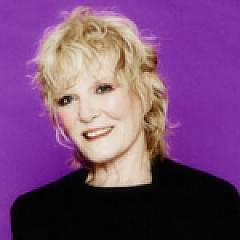
Petula Clark

Petula ClarkSongwriter Interviews

Petula talks about her hits "Downtown" and "Don't Sleep In The Subway," and explains her Michael Jackson connection.
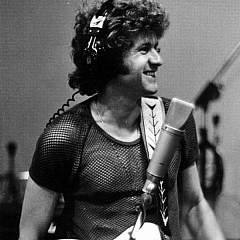
Terry Jacks ("Seasons in the Sun")

Terry Jacks ("Seasons in the Sun")Songwriter Interviews

Inspired by his dear friend, "Seasons in the Sun" paid for Terry's boat, which led him away from music and into a battle with Canadian paper mills.
Harry Wayne Casey of KC and The Sunshine Band

Harry Wayne Casey of KC and The Sunshine BandSongwriter Interviews

Harry Wayne Casey tells the stories behind KC and The Sunshine Band hits like "Get Down Tonight," "That's The Way (I Like It)," and "Give It Up."
Glen Phillips of Toad the Wet Sprocket

Glen Phillips of Toad the Wet SprocketSongwriter Interviews

The "All I Want" singer went through a long depression, playing some shows when he didn't want to be alive.
Kerry Livgren of Kansas

Kerry Livgren of KansasSongwriter Interviews

In this talk from the '80s, the Kansas frontman talks turning to God and writing "Dust In The Wind."