
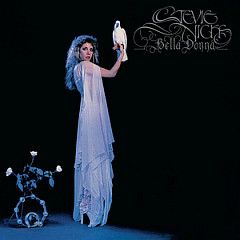
The death of John Lennon was an influence on the Stevie Nicks hit "Edge Of Seventeen." He's the one with the "words of a poet and voice from a choir."
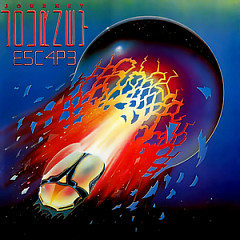
The "Don't Stop Believin'" lyric was inspired by Sunset Boulevard, making it perfect for the Rock of Ages musical.
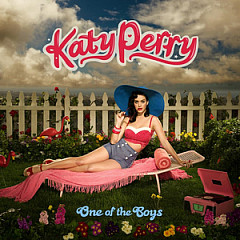
Katy Perry says her 2008 song "Ur So Gay" is about "guys who wear the guyliner, steal your jeans, and that whole almost hipster emo scene."
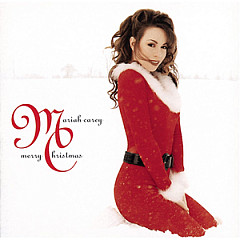
"All I Want For Christmas Is You" by Mariah Carey was the first ringtone certified Gold.
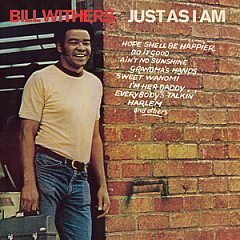
"Ain't No Sunshine" by Bill Withers was inspired by the Jack Lemmon movie Days of Wine and Roses.
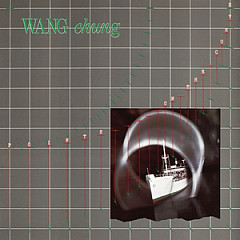
Wang Chung's '80s classic "Dance Hall Days" is about how things can start simple but end up complex. First you "take your baby by the hand," but by the end she has an amethyst in her mouth.

Ozzy biting a dove? Alice Cooper causing mayhem with a chicken? Creed so bad they were sued? See if you can spot the real concert mishaps.
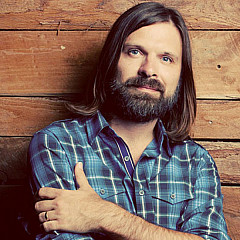
The Third Day frontman talks about some of the classic songs he wrote with the band, and what changed for his solo country album.
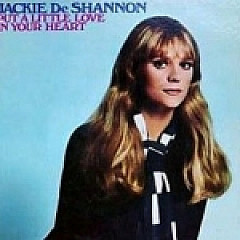
It wasn't her biggest hit as a songwriter (that would be "Bette Davis Eyes"), but "Put a Little Love in Your Heart" had a family connection for Jackie.
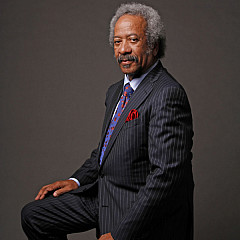
A song he wrote and recorded from "sheer spiritual inspiration," Allen's didn't think "Southern Nights" had hit potential until Glen Campbell took it to #1 two years later.
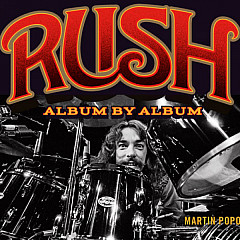
A talk with Martin Popoff about his latest book on Rush and how he assessed the thousands of albums he reviewed.