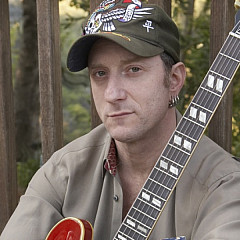
This song finds the Florida natives reminiscing over their early days when they hung out on Ocean Boulevard in Jacksonville's Atlantic Beach. It's sung as if to a girl, but she's a metaphor for a time and place. Ben Harper, Yellowcard's guitarist at the time, told The Boston Phoenix: "It's this place where we used to hang out in Jacksonville. Instead of talking about a girl, it's talking about a scene and a feeling that we want to get back to: hanging out and writing, before we moved to California."
While Yellowcard frontman Ryan Key was writing the lyrics, he changed "Ocean Boulevard" to "Ocean Avenue" because good luck finding a rhyme for "boulevard." The lyrics also reference Cherry Street, where Key's childhood home is located in Neptune Beach.
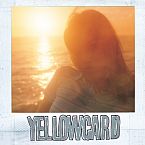
"Ocean Avenue" is Yellowcard's most famous song and the title track to their major-label debut album. The first single from the album was "
Way Away," which got some airplay on radio and MTV but wasn't huge. "Ocean Avenue" was released next and did a lot better. It was a hit in the summer of 2004 (a year after the album came out), earning the band a headlining gig on the Warped Tour. The song even charted on the Hot 100 at #37, putting them in the company of Blink-182 and Good Charlotte as pop-punk crossovers.
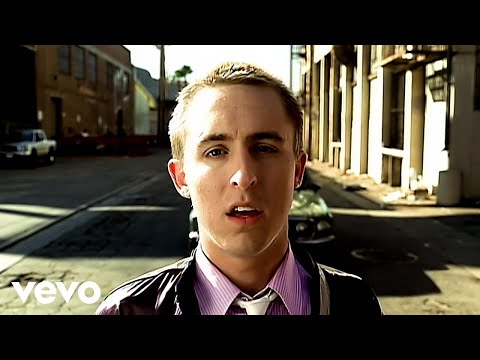
Marc Webb, who (appropriately) went on to direct The Amazing Spider-Man (2012) and The Amazing Spider-Man 2 (2014), directed the music video, which finds Ryan Key trapped in a time loop. It was a huge success, hitting #1 on MTV's Total Request Live and winning the MTV2 Award at the 2004 MTV Video Music Awards.
In a bit of serendipity, Yellowcard ended up contributing the song "Gifts And Curses" to the soundtrack of Spider-Man 2 in 2004.
The song was used on the MTV reality series Laguna Beach: The Real Orange County in the October 12, 2004 episode "Fast Cars and Fast Women."
The band worked up a mellow acoustic arrangement of "Ocean Avenue" that they played at a lot of showcases where hauling in amps wasn't practical (like in-studio radio station performances). In 2013 they released an acoustic version of the entire Ocean Avenue album for its 10th anniversary.
That unusual sound in the mix is a violin, a key component to Yellowcard's sound. Their violinist, Sean Mackin, is a founding member and has been in every lineup in the band. That violin isn't a gimmick - he plays on most Yellowcard songs.
When a song gets stuck in your head it can be hella annoying, but for a songwriter it can be creatively devastating. That's what happened to Ryan Key when he was trying to find the chorus melody for "Ocean Avenue." He had, of all things, the Cyndi Lauper song "
Time After Time" stuck in his head on repeat, and it wouldn't release. Anything he came up with got rejected by their producer, Neal Avron, until finally Key had a breakthrough.
"One day I walked in, exhausted and almost defeated at this point, and I sang, 'If I could find you now, things will get better,'" he
told Rolling Stone. "And Avron was like, 'That is it! Go in there. Record that right now.' I tracked it on the spot and our lives were changed forever."
The Ocean Avenue album sold a million copies and became a pop-punk landmark, and this song sold 2 million digital downloads. The iTunes store opened a few months before the album was released, so fans were able to download songs legally for the first time. This was a boon for Yellowcard, whose young fans were tech savvy and wanted to support them.
Yellowcard worked really hard to get the word out after they released the Ocean Avenue album in July 2003. They went on the Warped Tour that summer, and when school was in session they not only toured relentlessly, but played a series of "cafeteria gigs," showing up at high schools (invited, of course) to play a set at lunch before doing their show that night. As you can imagine, this earned them some very loyal fans.
By 2004 Ryan Key was just 24 but had some perspective on why this song connected with listeners. He explained to MTV: "It covers a broad, general topic without being too cheesy about it. It's one of those songs that kind of just captures that feeling of nostalgia and missing home and trying to get somewhere in your life that you can't find anymore, because you're all old and everything sucks and you're not with your friends anymore."
The band members were still in their early 20s when the Ocean Avenue album was released, so the nostalgic teenage years they recall in this song weren't so far away. The group started early, releasing their first album independently in 1997 when they were still in high school.
The downside to releasing a classic album so early in your career is that you'll have a lot of trouble reaching that bar moving forward, and that's what happened to Yellowcard. Their next album, Lights and Sounds in 2006, didn't have nearly the same impact, and they got diminishing returns with their next releases. In 2017, with their fanbase dwindling, they called it quits.
But then around the time of the pandemic, a new generation discovered them and their older fans started listening again in a wave of nostalgia. They reunited to play the Riot Fest in 2022 and decided to stay together; the next year they released a new EP called Childhood Eyes and set out on tour. They were thrilled and a bit flummoxed to find they were more popular than ever, drawing bigger crowds than they did in their Ocean Avenue era. In 2025 they released Better Days, their first album since 2016.