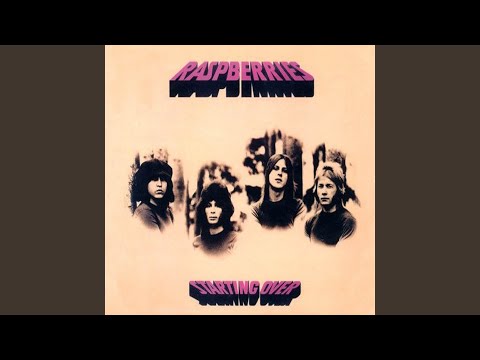
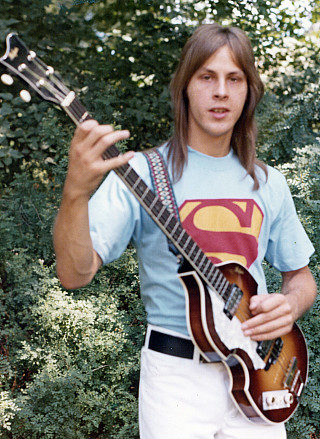
 Scott McCarl, who joined the Raspberries for their last album and co-wrote "Play On" with Eric Carmen. He did just occasional songwriting after the group broke up, but released a solo album in 1998 that he titled Play On, after this song. Re-issued in 2022, it features contributions from Hilly Michaels, Michael Purkhiser, and members of the Rubinoos.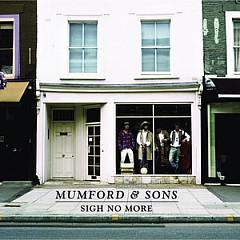
"The Cave" by Mumford & Sons is based on the philosophy of Plato and his work called "Allegory of the Cave."
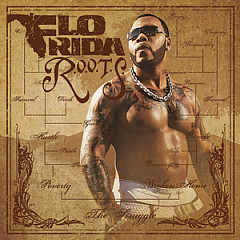
An unknown Kesha (known then as Ke$ha) sang on Flo-Rida's #1 hit "Right Round," but refused to appear in the video because she wanted to make a name for herself.
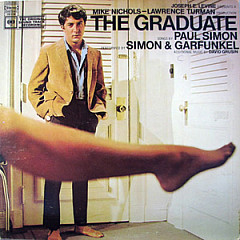
The Simon & Garfunkel song "Mrs. Robinson" was originally called "Mrs. Roosevelt," most likely after First Lady Eleanor Roosevelt. The title was changed when it was considered for use in the film The Graduate, where Anne Bancroft's character is Mrs. Robinson.
John Steinbeck's novel The Grapes of Wrath got its title from a line in "The Battle Hymn of the Republic": "He is trampling out the vintage where the grapes of wrath are stored."
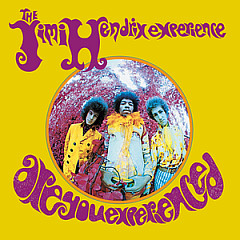
Thirty years after Jimi Hendrix played "Fire" at Woodstock, Red Hot Chili Peppers played it at Woodstock '99, but this time the unruly crowd actually set fires and looted.
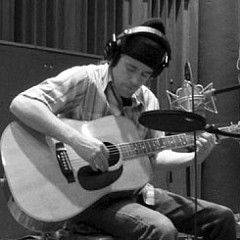
Chad tells tales from his time as drummer for Nirvana, and talks about his group Before Cars.
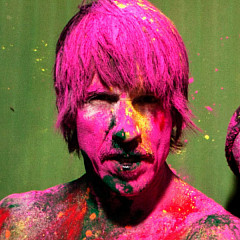
The Red Hot Chili Peppers have some rather unusual song titles - see if you can spot the real ones.
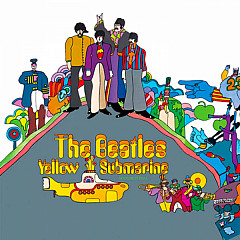
"25 or 6 to 4" to "Semi-Charmed Life" - see if you can spot the songs that are really about drugs.

Can you be married in one country but not another? Only if you're part of a gay couple. One of the first famous singers to come out as a lesbian, Janis wrote a song about it.
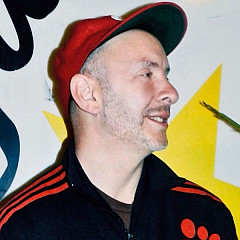
The hitmaking songwriter/producer Sam Hollander with stories about songs for Weezer, Panic! At The Disco, Train, Pentatonix, and Fitz And The Tantrums.