
Divine Wind

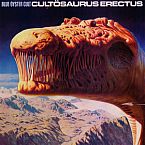
Album: Cultösaurus Erectus (1980)
Play Video
  • Blood of bat, tail of newt
    Wing of metal, gold or steel
    Fight of health, flash of pain
    Staff of life, or poison rain

    If he really thinks we're the devil, then let's send 'em to hell
    Fast food, fast cars
    Fast women, movie stars
    Time of trouble, time of trial
    Turn to Memphis, pray awhile

    If he really thinks we're the devil, then let's send 'em to hell
    Anxious lovers, bums in the street
    Jackals in waistcoats, men in sheets
    Purple mountains, waves of grain
    Grace of God, thy will be done

    If he really thinks we're the devil, then let's send 'em to hell
    If he really thinks we're the devil, then let's send 'em to hell
    If he really thinks we're the devil, then let's send 'em to hell Writer/s: ROESER
    Publisher: Sony/ATV Music Publishing LLC
    Lyrics licensed and provided by LyricFind

Comments: 5

  • Zach from ArkansasTwo things can true at once. If the citation provided is correct, Buck's comments about the song come from 1980, the same year the song was released. So it can't really be called "revisionist". I'm sure Buck had more on his mind than "BOMB IRAN GO USA USA" when writing Divine Wind, but the band definitely played to those sentiments when performing the song live because they knew it would go over well with their audiences. It might be hypocritical, but it makes sense.
  • Dee from Se Wisconsin (brewtown)So regardless of what he meant politically the song and the guitar playing on the song are fantastic. According to my beliefs I would hope that what Buck says in NME interview is true, but if it isn't and it (the song) is full of blood lust, it doesn't matter. I still love the song and really have come to love (just recently) BOC's albums (up to Revolution By Darkness). Much more to this band musically and lyrically than I realized at the time of their release.
  • Mike P. from OhioI agree with Philip from Illinois. Both times I saw them perform, they ramped up with "this is for the Eye-Ah-Tol-Lah Kho-Main-Nee! The Eye-A-Tol-La Ass-A-Ho-Lla..... Let's Send 'Em To HELL!" And Buck was wearing a rubber mask that looked like Khomenhi. No mixed signals, no mistaken intent. They were getting us fired up for the song. PERIOD!
  • Philip from IllinoisWhen BOC toured in support of Cultosaurus Erectus and performed this song, the on-stage intro comments were very anti-Iran, not the PC-revisionist pablum sludge that Buck embraces in this interview. The narrative of the song doesn’t support his comments.
  • Cj from Florida I always loved this song, but omg I thought Dharma was singing about Iran sucks for what they did. Always loved this band as a kid. Godzilla was awesome, but this sucks knowing I love a song basically blaming the USA is not cool guys and hell no l don’t fear the reaper.
see more comments

Editor's Picks

Songs in Famous Movie Scenes: Tarantino Edition

Songs in Famous Movie Scenes: Tarantino EditionMusic Quiz

Whether he's splitting ears or burning Nazis, Quentin Tarantino uses memorable music in his films. See if you can match the song to the scene.

Martin Page

Martin PageSongwriter Interviews

With Bernie Taupin, Martin co-wrote the #1 hits "We Built This City" and "These Dreams." After writing the Pretty Woman song for Go West, he had his own hit with "In the House of Stone and Light."

Is That Song Public Domain?

Is That Song Public Domain?Fact or Fiction

Are classic songs like "Over The Rainbow" and "Take Me Out to the Ballgame" in the public domain?

Desmond Child

Desmond ChildSongwriter Interviews

One of the most successful songwriters in the business, Desmond co-wrote "Livin' La Vida Loca," "Dude (Looks Like A Lady)" and "Livin' On A Prayer."

Wang Chung Pick The Top Songs Of The '80s

Wang Chung Pick The Top Songs Of The '80sSongwriter Interviews

'80s music ambassadors Wang Chung pick their top tracks of the decade, explaining what makes each one so special.

Harold Brown of War

Harold Brown of WarSongwriter Interviews

A founding member of the band War, Harold gives a first-person account of one of the most important periods in music history.