
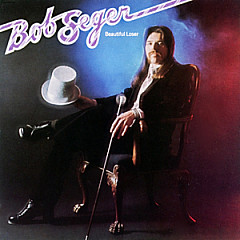
Katmandu, the capital of Nepal, was the archetype for faraway mysticism when Bob Seger wrote a song about it in 1975.
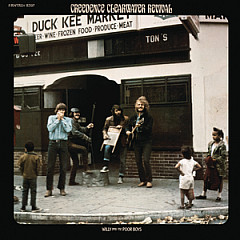
The Creedence Clearwater Revival song "Fortunate Son" is about how the Vietnam war was being fought by soldiers without the privilege or connections to get out of it. "It's the old saying about rich men making war and poor men having to fight them," John Fogerty said.
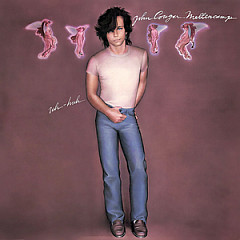
John Mellencamp considers "Pink Houses" an "anti-American song," laying bare the struggles of the poor and working class.
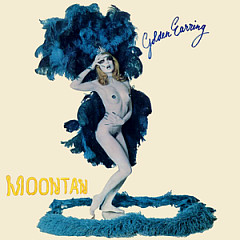
At the end of "Radar Love," the driver dies in a crash but maintains a psychic bond with the woman he was racing to see. The song's lyricist was inspired by stories of extrasensory perception (ESP).
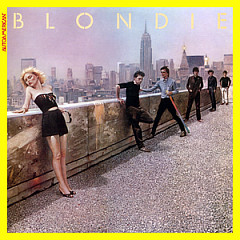
The first #1 hit with a rap was "Rapture" by Blondie in 1980. Debbie Harry's rhymes left lots of room for improvement.
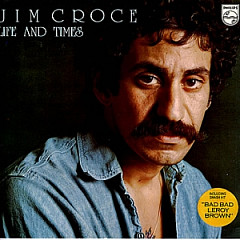
"Bad, Bad Leroy Brown" is about a guy Jim Croce met in the National Guard, which Jim joined to keep him out of Vietnam. Leroy went AWOL, but got caught when he tried to pick up his paycheck.
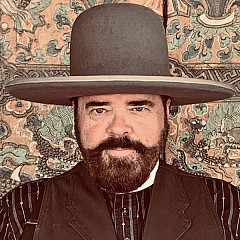
Andrew Farriss on writing with Michael Hutchence, the stories behind "Mystify" and other INXS hits, and his country-flavored debut solo album.
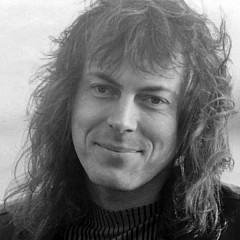
Dokken frontman Don Dokken explains what broke up the band at the height of their success in the late '80s, and talks about the botched surgery that paralyzed his right arm.
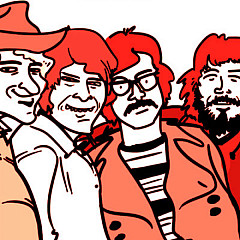
Is "Have You Ever Seen the Rain" about Vietnam? Was John Fogerty really born on a Bayou? It's the CCR edition of Fact or Fiction.
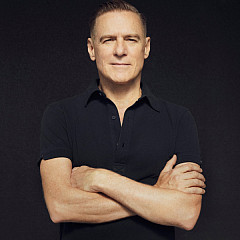
What's the deal with "Summer of '69"? Bryan explains what the song is really about, and shares more of his songwriting insights.

After cutting his teeth on hardcore punk videos, Paul defined the grunge look with his work on "Hunger Strike" and "Man in the Box."
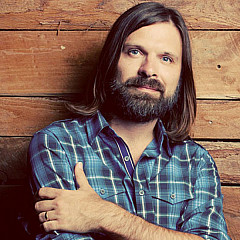
The Third Day frontman talks about some of the classic songs he wrote with the band, and what changed for his solo country album.