Too Drunk To F--k

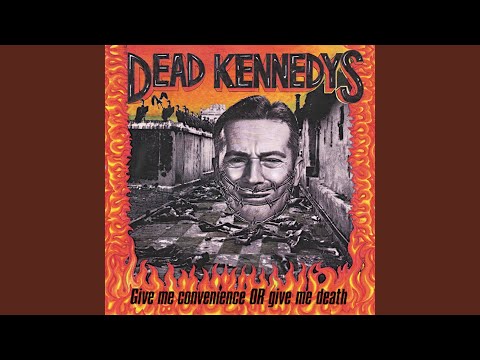
Album: Give Me Convenience or Give Me Death (1981)
Charted: 36
Play Video

Songfacts®:

  • Dead Kennedys often called out the entitled class, which includes the kind of people who have nothing better to do than get blackout drunk. This song is about a guy who has 16 beers and suffers in the aftermath. It was written by the group's lead singer, Jello Biafra, and propelled by the riffs of their guitarist, East Bay Ray.
  • The group had their own label in their native America, but had a distribution deal with the Cherry Red label in the UK, where they found a sizable audience for their rebellious punk rock. Remarkably, this song went to #36 on the UK singles chart, the first song with the work "f--k" in the title to make the tally. On chart listings, the song was labeled "To Drunk To."

    By the time the song was released, America had seen the rise and fall of Lenny Bruce, and five years earlier the Sex Pistols had caused a furore in Britain by swearing on a peak time TV program. So... by 1981, a song with this title and mantra had little in the way of shock value; even banning it was hardly likely to increase sales.
  • Backed by "The Prey," this was the band's fourth single, released in 1981 between their first two albums. It was included on Dead Kennedys' compilation album Give Me Convenience or Give Me Death in 1987 around the time the band broke up.
  • The line, "You bawl like the baby in Eraserhead" is a reference to the 1977 David Lynch movie Eraserhead, which has a scene where the alien-like baby gets sick and starts wailing.
  • In 2011, the music streaming service Spotify ran an advertising campaign promoting Kronenbourg 1664 beer (owned by Heineken) with a slowed down lounge cover version of "Too Drunk To F--k" performed by Nouvelle Vague to go with their "Slow the Pace" tagline. The campaign was pulled over complaints that it encouraged binge drinking. The Dead Kennedys had other concerns, responding in a press release: "Dead Kennedys emphatically deny that they ever gave Heineken permission to use the song. The band's attorneys have contacted Heineken to address the unauthorized use. Dead Kennedys have never authorized any company to use this song or any of the band's songs to promote a consumer product (let alone the consumption of alcohol) in this or any advertisement."

Comments: 3

  • Michael from Mcfarland, WiI am not happy with the main body of writing referring to this song. East Bay Ray plays a great surf/punk guitar riff, and I played this in college to a room full of 'straight' kids who had never heard the thing, and they went nuts. Since when is a closed auction on Ebay an indicator of a song's worth? Shall we judge others by this standard, because Barbara Streisand would not fare well.
  • Cj from Oak Creek, WiIt seems like these people assume the Dead Kennedys were trying to sell records or get on the radio. They didn't give a f--k. They wrote this song for themselves.
  • Zabadak from London, EnglandThis ploy did indeed increase sales in the UK as it charted higher than any other record by the band there...
see more comments

Editor's Picks

Facebook, Bromance and Email - The First Songs To Use New Words

Facebook, Bromance and Email - The First Songs To Use New WordsSong Writing

Where words like "email," "thirsty," "Twitter" and "gangsta" first showed up in songs, and which songs popularized them.

Stand By Me: The Perfect Song-Movie Combination

Stand By Me: The Perfect Song-Movie CombinationSong Writing

In 1986, a Stephen King novella was made into a movie, with a classic song serving as title, soundtrack and tone.

Adele

AdeleFact or Fiction

Despite her reticent personality, Adele's life and music are filled with intrigue. See if you can spot the true tales.

Ian Anderson: "The delight in making music is that you don't have a formula"

Ian Anderson: "The delight in making music is that you don't have a formula"Songwriter Interviews

Ian talks about his 3 or 4 blatant attempts to write a pop song, and also the ones he most connected with, including "Locomotive Breath."

John Lee Hooker

John Lee HookerSongwriter Interviews

Into the vaults for Bruce Pollock's 1984 conversation with the esteemed bluesman. Hooker talks about transforming a Tony Bennett classic and why you don't have to be sad and lonely to write the blues.

Al Jourgensen of Ministry

Al Jourgensen of MinistrySongwriter Interviews

In the name of song explanation, Al talks about scoring heroin for William Burroughs, and that's not even the most shocking story in this one.