Oh Lonesome Me

Album: Oh Lonesome Me (1957)
Play Video

Songfacts®:

  • "Oh Lonesome Me" is a simple country song that has nonetheless achieved musical immortality, largely because of a diverse range of artists that have covered it and kept it alive over the years.

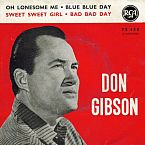
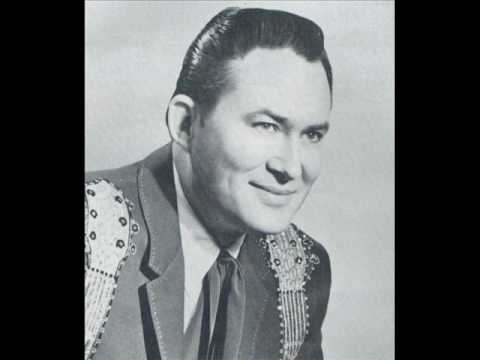
    The song was written and originally recorded by Don Gibson, and produced by another country music heavyweight, Chet Atkins. Gibson, an inductee of the Country Music, Nashville Songwriters, and North Carolina Music Halls of Fame, wrote multiple songs now considered country standards. His voice is embedded deep in the spirit of the genre and the American historical landscape in general.

    Atkins, meanwhile, was inducted into the Country Music, Rock & Roll, and Musicians Halls of Fame. Atkins is also one of the primary figures credited with creating the "Nashville sound," which transformed country music in the 1950s with a sound much cleaner and smoother than the honky tonk stylings that preceded it.

    That "Nashville Sound" creates a paradoxical effect here. While the lyrics of the song are sad, the sound of Gibson's original version really isn't. The music taken on its own sounds almost upbeat and happy - more like a singalong than a stay-at-home-and-sulk kind of tune.
  • This song is about a man's breakup depression. He repeatedly states that he knows he should be out having fun, but he just can't break the doldrums. The simplicity of the lyrics undoubtedly contributes to the song's longevity, as they capture the universal feelings we all endure when we lose love.
  • Most versions of the song have followed the original's lead. A notable exception is the version on Neil Young's After the Gold Rush album. There's nothing fun or fast about Young's take on the tune. The song sounds wholly full of despair and defeat, with the same melancholy yet beautiful spirit as "Birds" or "Helpless."

    This is the only cover song Young recorded on the album; the first time he performed it was at the Bohemian Embassy in North Bay, Ontario.
  • Gibson released the song first as a single. Less than a year later, in April 1958, he included it on his album Oh Lonesome Me.
  • Many bands have had chart success with this song. For The Kentucky Headhunters, it was their biggest hit, reaching #8 on the Country chart in 1990. Johnny Cash took it to #13 Country and #93 on the Hot 100 in 1961; Stonewall Jackson's 1970 rendition went to #63 Country. Other acts to cover the song include Bing Crosby, Bob Luman, Southern Culture on the Skids, Ray Charles, Connie Francis and Bobbi Martin.
  • With a pack of Muppet dogs singing backup, Loretta Lynn performed this on Episode 308 of The Muppet Show in 1978.
  • The B-side of the single was "I Can't Stop Loving You," another classic country heartbreaker.

Comments: 1

  • Jerry from Dunreith, InMy friend passed away today, and this was one of his favorite songs......
see more comments

Editor's Picks

Bill Medley of The Righteous Brothers

Bill Medley of The Righteous BrothersSongwriter Interviews

Medley looks back on "Unchained Melody" and "You've Lost That Lovin' Feelin'" - his huge hits from the '60s that were later revived in movies.
Stand By Me: The Perfect Song-Movie Combination

Stand By Me: The Perfect Song-Movie CombinationSong Writing

In 1986, a Stephen King novella was made into a movie, with a classic song serving as title, soundtrack and tone.

Penny Ford of Snap!

Penny Ford of Snap!Songwriter Interviews

The original voice of Snap! this story is filled with angry drag queens, video impersonators and Chaka Khan.

Shaun Morgan of Seether

Shaun Morgan of SeetherSongwriter Interviews

Shaun breaks down the Seether songs, including the one about his brother, the one about Ozzy, and the one that may or may not be about his ex-girlfriend Amy Lee.

Sending Out An SOS - Distress Signals In Songs

Sending Out An SOS - Distress Signals In SongsSong Writing

Songs where something goes horribly wrong (literally or metaphorically), and help is needed right away.
Judas Priest

Judas PriestSongwriter Interviews

Rob Halford, Richie Faulkner and Glenn Tipton talk twin guitar harmonies and explain how they create songs in Judas Priest.