This Is Radio Clash

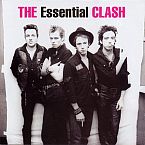
Album: The Essential Clash (1981)
Charted: 47
Play Video

Songfacts®:

  • The initial idea for "This Is Radio Clash" apparently came from a conversation between singer Joe Strummer, aide Kosmo Vinyl and manager Bernie Rhodes about the band setting up their own radio station. Having read Dispatches by Michael Herr, Strummer wrote the line "ghettology is an urban Vietnam" and later fleshed out the lyrics at Marcus Music in Kensington in April 1981 in the inaugural sessions before the song was completed at the Electric Lady studios in New York in November of that year.
  • Joe Strummer admitted in an interview with Melody Maker in 1988 that he had nicked the bassline from the Queen hit "Another One Bites The Dust" (which in itself shares many similarities with another disco classic, Chic's "Good Times").

    The song as a whole is the band's tribute to New York rap acts such as the Sugarhill Gang and Grandmaster Flash and the Furious Five - indeed, Strummer's sinister high-pitched laugh at the start of the song was directly inspired by Grandmaster Flash's "The Message."
  • Two sets of lyrics exist for "This Is Radio Clash" - the original, featuring references to the Bill of Rights, Napalm and the American Armed Forces Network, and a separate set that was recorded onto another take, later named just "Radio Clash." Confusingly they are both identical tracks bar the lyrics, and even feature as A and B sides on the single, which led to some mistakes in later re-releases - on the Story of the Clash Volume 1 compilation, the tracklisting lists "This Is Radio Clash," but it is in fact the "Radio Clash" version on the CD.
  • After the musical mish-mash of the Sandinista! album, many critics were hoping the band would get back to more traditional sound, which probably explains some of the more scathing reviews of this song when it came out, as critics tired of the band's dalliance with hip-hop influences. Gavin Martin, usually a supporter of the band, ripped it apart upon release in NME: "Another rag-bag of musical clichés and political simplifications sprawling, splintered fantasy which presents the zombified vision of would-be guerrillas with rampant hysteria."

    It's worth noting that many UK critics really took against The Clash from 1980 onwards when the band started spending more and more time in America, which in turn meant the band resented coming home more and more. Ironically, by the time of the 30th Anniversary of London Calling's release, NME were desperately trying to backtrack on their more negative comments from 1979-83, claiming that their original review of the album was highly rated. It wasn't!
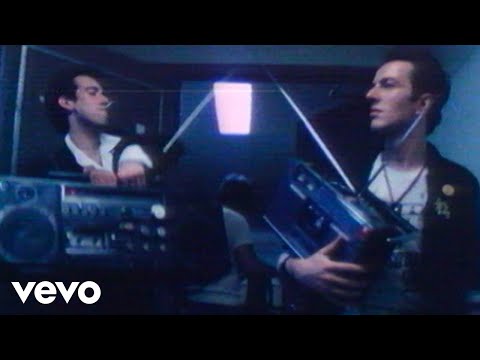
  • Don Letts' music video for "This Is Radio Clash" drew on footage shot for the unreleased Clash on Broadway film, which was a documentary shot by Letts during 1981 as he accompanied The Clash on their New York residency in Bonds Casino, including two full gigs from their 16-gig stay at the venue across two weeks and footage of the band backstage and living life in New York. It was mooted for a November 1982 release, but perhaps due to turmoil within the band, the project was quietly forgotten about, and by 1994 Joe Strummer told Mojo magazine that "as far as I know the reels were stored in a rental place in New York. Bernie (Rhodes, their manager) forgot to pay the rent and the footage was destroyed."

    A cutting copy of 30 minutes' worth of footage was found by Letts in a cupboard in the mid-1990s, and what is left of the film was put together for release on the Westway to the World DVD. One of the few surviving live performances from the Bonds shows is, ironically, of "This Is Radio Clash" in one of it's first live outings.
  • This was used on season 2 of Stranger Things in the episode "Will The Wise." It plays while Nancy and Jonathan are on their way to a dangerous meeting in the park.

Comments: 1

  • Anonymous Rebel Anti-fascist from The WorldYears ago, I picked up a book about a clandestine radio station that beamed from “the mountain tops” in El Salvador during that country’s civil war. In the book, they talk about the idea originating in Nicaragua, so I wonder how much Joe Strummer knew about this effort (they had just had their “Sandinista!” Album released the year before). I think it’s interesting that Joe Strummer seemed to be interested in Guerrillas fighting in Central America (hence the name “Sandinista”) and he writes a song about a Rebel Radio Station the same year this radio station launched. I wonder if this was truly the influence for Joe Strummer to write the song, once you learn about “Radio Venceremos” the lyrics to Radio Clash make a lot of sense (especially when you learn that the line “beaming from the mountain tops” was removed from the main single that was played on the radio).
see more comments

Editor's Picks

Gary Brooker of Procol Harum

Gary Brooker of Procol HarumSongwriter Interviews

The lead singer and pianist for Procol Harum, Gary talks about finding the musical ideas to match the words.

Don Felder

Don FelderSongwriter Interviews

Don breaks down "Hotel California" and other songs he wrote as a member of the Eagles. Now we know where the "warm smell of colitas" came from.

Allen Toussaint - "Southern Nights"

Allen Toussaint - "Southern Nights"They're Playing My Song

A song he wrote and recorded from "sheer spiritual inspiration," Allen's didn't think "Southern Nights" had hit potential until Glen Campbell took it to #1 two years later.

Donnie Iris (Ah! Leah!, The Rapper)

Donnie Iris (Ah! Leah!, The Rapper)Songwriter Interviews

Before "Rap" was a form of music, it was something guys did to pick up girls in nightclubs. Donnie talks about "The Rapper" and reveals the identity of Leah.

Al Kooper

Al KooperSongwriter Interviews

Kooper produced Lynyrd Skynyrd, played with Dylan and the Stones, and formed BS&T.

Emilio Castillo from Tower of Power

Emilio Castillo from Tower of PowerSongwriter Interviews

Emilio talks about what it's like to write and perform with the Tower of Power horns, and why every struggling band should have a friend like Huey Lewis.