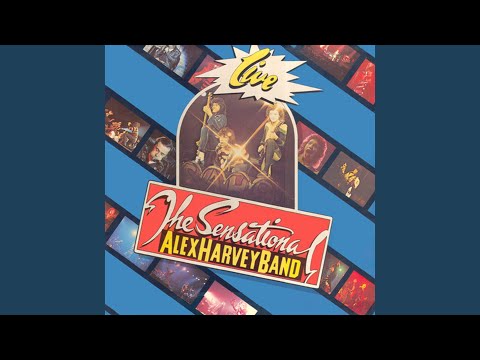
Album: Live (1975)
Charted: 7
Play Video

Songfacts®:

  • The Sensational Alex Harvey Band transformed Tom Jones' 1968 hit "Delilah" from a polished pop song into something far more unnerving. Their live version takes the song's murder-ballad at face value, amplifying its violence through theatrical performance rather than smoothing it over. Ironically, it became the band's biggest chart hit, a success that also left many listeners completely missing the point. It's rather like mistaking Macbeth for a cheerful guide to Scottish tourism.
  • "Delilah" was written by the British songwriting team of Les Reed (music) and Barry Mason (lyrics), whose partnership also includes classics such as "The Last Waltz" and "Les Bicyclettes De Belsize." Reed originally offered the song to PJ Proby, who recorded it for his 1968 album Believe It Or Not. Reed then persuaded Tom Jones to record it, and Jones' dramatic version became an international hit later that year.
  • The lyric tells the story of a jealous man who watches his unfaithful lover through her window, waits for her new partner to leave, then confronts her at dawn. When she laughs at him, he stabs her to death before pleading for forgiveness as the police close in.

    Despite its singalong chorus, the song is anything but lighthearted. SAHB drummer Ted McKenna rejected suggestions that it was camp entertainment, telling Classic Rock magazine: "It's about a man driven mad by betrayal who murders the woman he loves, and blaming her for what he's done. What's funny about that?"
  • Questions over the song's authorship have lingered for decades. Sylvan Whittingham (later Sylvan Mason), who was married to Barry Mason at the time, has consistently maintained that she co-wrote the lyric, despite not receiving official credit. She told Songfacts Les Reed had already written the melody, title and memorable "Why, why, why Delilah" refrain before bringing the tape to Barry. Barry then took it to Sylvan, and together they completed the lyric in around two hours at Chappell Music Publishing's offices on St George Street in London.

    According to Sylvan, Reed had originally envisioned a modern retelling of the biblical story of Samson and Delilah, though almost all traces of that concept disappeared as the lyric evolved. Only the line, "But I was lost like a slave that no man could free," survives from the original idea. Instead, the finished story borrowed more heavily from the 1954 musical film Carmen Jones, in which Harry Belafonte's character kills the woman he loves in a jealous rage.

    Sylvan said documents from her divorce settlement with Barry Mason supports her contribution, while Tom Jones also acknowledges her as a co-writer in his autobiography.
  • The Sensational Alex Harvey Band had been performing "Delilah" live since at least 1973, including a memorable appearance on The Old Grey Whistle Test, where its darker themes were impossible to ignore.

    Bassist Chris Glenn told Uncut magazine, the song was only added to the live set, "because audiences loved the wee dance the band had developed when playing Del Shannon's "Runaway," so they came up with something similar. It could have been almost anything, but Alex liked what he could do with the lyrics. People forget it's a song about a stalker who kills his wife."
  • During the instrumental break, Harvey, guitarist Zal Cleminson and Glen performed an exaggerated, almost comic dance while the audience happily clapped along. The disconnect was entirely deliberate. Harvey wanted audiences to ask themselves why they were enjoying a performance built around a story of domestic murder. It followed a pattern already established by the band on songs such as their version of Jacques Brel's "Au Suivant," where uncomfortable subject matter was wrapped inside accessible rock arrangements.

    By the time "Delilah" reached Top of the Pops, it was surrounded by upbeat chart hits, leading many viewers to mistake it for a novelty performance rather than a carefully staged piece of musical theater.
  • The SAHB recorded the version that became a hit live at London's Hammersmith Odeon on May 24, 1975. "Delilah" was released as a single without the band's knowledge, and its climb into the UK Top 10 surprised everyone involved, including SAHB.

    Producer Dave Batchelor ldescribed it to Uncut as "one of the best covers of all time... a really clever and cheeky version. It should have been a much bigger hit and it deserves respect."
  • Its chart success caught the attention of the song's original writers. Reed and Mason subsequently offered more of their compositions to SAHB's management in the hope of recreating the magic; a reminder that, in the music business, if lightning strikes once, someone will inevitably try selling you another thunderstorm.

Comments

Be the first to comment...

Editor's Picks

Jon Oliva of Trans-Siberian Orchestra

Jon Oliva of Trans-Siberian OrchestraSongwriter Interviews

Writing great prog metal isn't easy, especially when it's for 60 musicians.
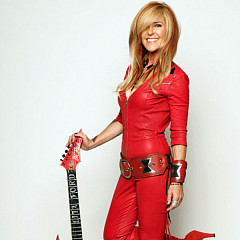
Lita Ford

Lita FordSongwriter Interviews

Lita talks about how they wrote songs in The Runaways, and how she feels about her biggest hit being written by somebody else.
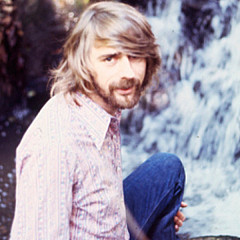
Spooner Oldham

Spooner OldhamSongwriter Interviews

His keyboard work helped define the Muscle Shoals sound and make him an integral part of many Neil Young recordings. Spooner is also an accomplished songwriter, whose hits include "I'm Your Puppet" and "Cry Like A Baby."
Classic Metal

Classic MetalFact or Fiction

Ozzy, Guns N' Roses, Judas Priest and even Michael Bolton show up in this Classic Metal quiz.
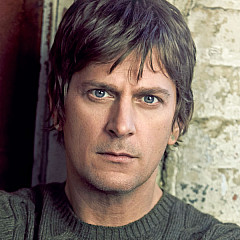
Rob Thomas of Matchbox Twenty

Rob Thomas of Matchbox TwentySongwriter Interviews

Rob Thomas on his Social Distance Sessions, co-starring with a camel, and his friendship with Carlos Santana.
Millie Jackson

Millie JacksonSongwriter Interviews

Outrageously gifted and just plain outrageous, Millie is an R&B and Rap innovator.