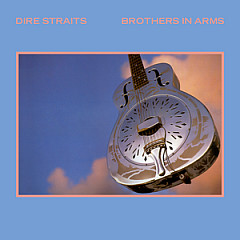
Dire Straits frontman Mark Knopfler got the idea for "Money For Nothing" after overhearing delivery men in a New York department store complain about their jobs while watching MTV.
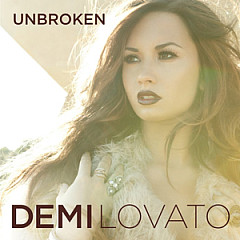
Demi Lovato recorded a Spanish version of her song "Skyscraper," but she doesn't speak Spanish. She performed it on a Latin music awards show with help from a teleprompter.
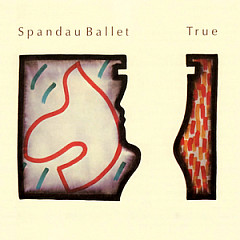
"True" by Spandau Ballet has some lyrics based on parts of the Vladimir Nabokov novel Lolita, including "Take your seaside arms," which in the book is "That little girl with her seaside limbs."
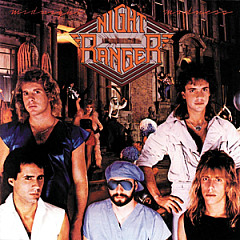
"Sister Christian" was written by Night Ranger drummer Kelly Keagy, who was imploring his younger sister to be careful in her reckless youth, especially when "motoring" (driving around) with friends.
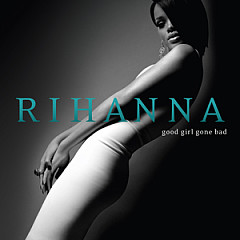
When Rihanna's "Umbrella" was a hit in the summer of 2007, it rained constantly in London, prompting their newspaper The Sun to suggest a "Rihanna Curse."
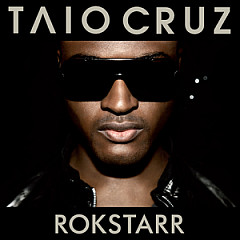
Taio Cruz throws his hands up "sometimes" in "Dynamite" because the song was originally written about surrender.
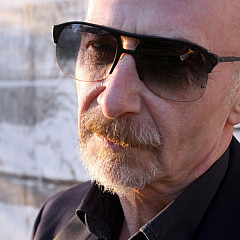
When Judd Apatow needed under-appreciated rockers for his Knocked Up sequel, he immediately thought of Parker, who just happened to be getting his band The Rumour back together.
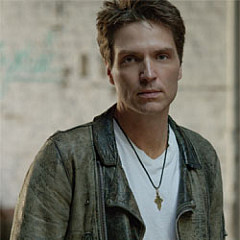
Richard explains how Joe Walsh kickstarted his career, and why he chose Hazard, Nebraska for a hit.
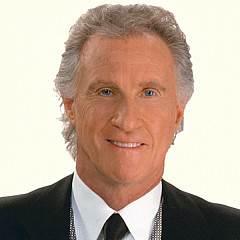
Medley looks back on "Unchained Melody" and "You've Lost That Lovin' Feelin'" - his huge hits from the '60s that were later revived in movies.
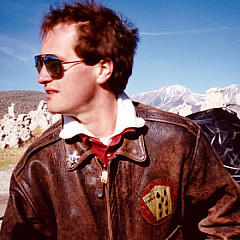
Nick made some of the biggest videos on MTV, including "The Final Countdown," "Heaven" and "Don't Know What You Got (Till It's Gone)."
Starting in Virginia City, Nevada and rippling out to the Haight-Ashbury, LSD reshaped popular music.