Gimme Hope Jo'anna

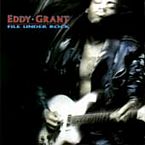
Album: File Under Rock (1988)
Charted: 7
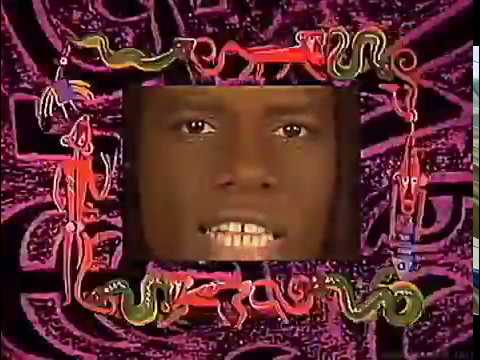
Play Video

Songfacts®:

  • Grant wrote this in honor of South African leader Nelson Mandela. Mandela fought against apartheid, a policy that separated people by race, and was very oppressive to blacks. Mandela was a political prisoner for over 20 years before apartheid was abandoned. After he was released, Mandela became president of South Africa. According to Grant, this became the anthem of the apartheid movement. >>>
    Suggestion credit:
    Crystal - Springfield, MO
  • "Jo'anna" is a reference to Johannesburg, the largest city in South Africa.
  • "The Archbishop who's a peaceful man" is a reference to Desmond Tutu, the first black South African Anglican Archbishop of Cape Town who received the 1984 Nobel Peace Prize for his fight against apartheid.

Comments: 9

  • Jules from GermanySupporters in higher places who turn their heads to the city sun - sounds like a clever play on words, as Eddy Grant refers to Sun City and its allures.
  • Derek from Boston To the fellow who said this was about Johan Vorster. I grew up in SA with this song and presumed it meant Jo’burg. Never considered BJ who was prez in the 70s but this song is from 88.
  • Eugene Louw from Eindhoven/cape TownThe song text (and the sheet music link on this page) originally says "don't make me wait till the MOURNING come" and not morning! Big difference and quite a powerful statement
  • Jeff from East LondonSteve it is in fact Johannesburg. The man said it so himself in an interview I listened to.
  • Bmn from Hisuan, ArgentinaSteve from Cape Town: you're wrong. Vorster's term as PM ended in 1978, ten years before this song was released.
  • Steve from Cape Town, South AfricaThe reference to Jo'anna, is not to Johannesburg. That would make no sense. It did not run the country nor did it have apartheid. In fact Johannesburg opposed apartheid. The Johanna referred to Johan Vorster, the Prime Minister at the time. I suppose it turned him feminine to conceal the true target otherwise the song would never be heard in South Africa. I think it was banned on the state radio anyway. The reason it was banned was because the authorities saw the real message perfectly clearly. That was also why it was popular, apart from the fact that it was a good tune and well performed.
  • Husnain from Karachi, PakistanEddy Grant was in a band called "The Equals" in te UK in the 60's. Their one big hit was "Baby Come Back" of 1968
  • Matt from Pinetown, South AfricaThe song was immensely popular in South Africa and is to this day. Especially among the Afrikaner communities, who often failed to see the message of the song. They do now.
  • Alan from Edinburgh, ScotlandThe Archbishop referred to in the song is Archbishop Desmond Tutu, the first black African to attain the position of Archbishop of Cape Town, which position is considered the head of the Anglican Church in southern Africa.
see more comments

Editor's Picks

Gary Brooker of Procol Harum

Gary Brooker of Procol HarumSongwriter Interviews

The lead singer and pianist for Procol Harum, Gary talks about finding the musical ideas to match the words.

Don Felder

Don FelderSongwriter Interviews

Don breaks down "Hotel California" and other songs he wrote as a member of the Eagles. Now we know where the "warm smell of colitas" came from.

Allen Toussaint - "Southern Nights"

Allen Toussaint - "Southern Nights"They're Playing My Song

A song he wrote and recorded from "sheer spiritual inspiration," Allen's didn't think "Southern Nights" had hit potential until Glen Campbell took it to #1 two years later.

Donnie Iris (Ah! Leah!, The Rapper)

Donnie Iris (Ah! Leah!, The Rapper)Songwriter Interviews

Before "Rap" was a form of music, it was something guys did to pick up girls in nightclubs. Donnie talks about "The Rapper" and reveals the identity of Leah.

Al Kooper

Al KooperSongwriter Interviews

Kooper produced Lynyrd Skynyrd, played with Dylan and the Stones, and formed BS&T.

Emilio Castillo from Tower of Power

Emilio Castillo from Tower of PowerSongwriter Interviews

Emilio talks about what it's like to write and perform with the Tower of Power horns, and why every struggling band should have a friend like Huey Lewis.