Capital Radio One

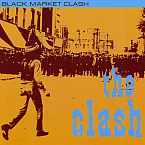
Album: Black Market Clash (1977)
Play Video

Songfacts®:

  • The main riff is based on The Who's "I Can't Explain," a riff which The Clash used as a basis for many of their more rock-orientated songs. The song actually started life in 1976 as a Mick Jones written tune called "Deadly Serious." Early live bootlegs exist of The Clash playing the song in this form, with completely different lyrics about the band choosing not to play reggae music despite their love of it ("dig some reggae, don't play any"). Presumably they'd changed their mind on this policy by the time they covered "Police and Thieves" on their first album.
  • The lyrics are an attack on mainstream radio stations of the time (the song is named after popular radio station Capital Radio) and their refusal to play anything left-field like Punk Rock, sticking strictly to bland Pop and chart music. In a 1977 interview with Caroline Coon, singer Joe Strummer explained: "They're even worse because they had the chance, coming right into the heart of London and sitting in that tower right on top of everything. But they've completely blown it. I'd like to throttle Aiden Day. He thinks he's the self appointed Minister of Public Enlightenment. We've just written a new song called Capital Radio and a line in it goes 'listen to the tunes of the Dr Goebbels Show.' They say 'Capital Radio in tune with London.' Yeah, yeah, yeah! They're in tune with Hampstead. They're not in tune with us at all. I hate them. What they could have done compared to what they have done is abhorrent. They could have made it so good that everywhere you went you took your transistor radio — you know, how it used to be when I was at school. I'd have one in my pocket all the time or by my ear'ole flicking it between stations. If you didn't like one record you'd flick to another station and then back again. It was amazing. They could have made the whole capital buzz. Instead Capital Radio has just turned their back on the whole youth of the city."

    As mentioned in the quote, the song includes references to Nazi propaganda minister Josef Goebbels, to reinforce the image of Capital Radio forcing bland commercial music on the listener without any choice.
  • This was recorded, along with early live staple "Listen," on April 3, 1977 for a giveaway single with the NME magazine. It was original drummer Terry Chimes' final recording with the band before he left and was replaced by Topper Headon.
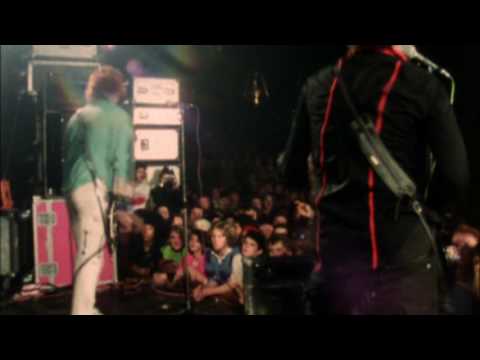
  • This was introduced live on the White Riot tour and remained in the set for the rest of the Clash's career.
  • Singer Joe Strummer would often throw in stream-of-conciousness raps in live versions. For example, the version on the live album From Here to Eternity, recorded at the Lewisham Odeon in February 1980, features a mimicked phone conversation involving Strummer requesting the radio station to play "Wooly Bully" by Sam the Sham and the Pharaohs - NOT Sham 69, as he jokes! Unfortunately according to Strummer, "he said no."
  • The song was originally called "Capital Radio," but when they released an updated version in 1979, they changed its title to "Capital Radio One" and made the sequel "Capital Radio Two."

Comments: 1

  • Roman from Bend OregonI love this song it’s just always get stuck in my head in a good way.
see more comments

Editor's Picks

Does Jimmy Page Worship The Devil? A Look at Satanism in Rock

Does Jimmy Page Worship The Devil? A Look at Satanism in RockSong Writing

We ring the Hell's Bells to see what songs and rockers are sincere in their Satanism, and how much of it is an act.

Bryan Adams

Bryan AdamsSongwriter Interviews

What's the deal with "Summer of '69"? Bryan explains what the song is really about, and shares more of his songwriting insights.

Rush: Album by Album - A Conversation With Martin Popoff

Rush: Album by Album - A Conversation With Martin PopoffSong Writing

A talk with Martin Popoff about his latest book on Rush and how he assessed the thousands of albums he reviewed.

Spooner Oldham

Spooner OldhamSongwriter Interviews

His keyboard work helped define the Muscle Shoals sound and make him an integral part of many Neil Young recordings. Spooner is also an accomplished songwriter, whose hits include "I'm Your Puppet" and "Cry Like A Baby."

Gary Brooker of Procol Harum

Gary Brooker of Procol HarumSongwriter Interviews

The lead singer and pianist for Procol Harum, Gary talks about finding the musical ideas to match the words.

Who's Johnny, And Why Does He Show Up In So Many Songs

Who's Johnny, And Why Does He Show Up In So Many SongsSong Writing

For songwriters, Johnny represents the American man. He has been angry, cool, magic, a rebel and, of course, marching home.