The Singing Nun was Sister Luc-Gabrielle (born Jeanine Deckers), from a Fichermont, Belgium convent. Not to be confused with The Flying Nun. That was Sally Field.
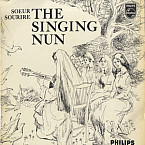
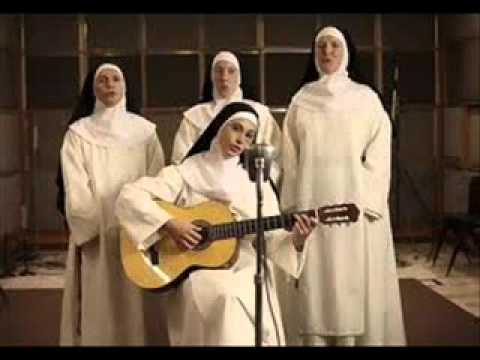
The nun wrote several tunes that won prizes at religious youth retreats. One of the order's elders asked her to record an LP, of which the convent could make a few hundred copies to distribute as gifts. Luc-Gabrielle and a chorus of four other nuns recorded her songs at the Phillips studios in Brussels, but when the executives of the record company heard the songs, the LP was commercially released (with the credit to "Soeur Sourire" - Sister Smile) in Europe to great success.
The album was released in the US as The Singing Nun, but there was no American reaction until "Dominique" was released as a single. Then, both the album and the single worked up to the top of their charts. It was the first time a single topped the Hot 100 at the same time its LP topped the Billboard albums chart.
"Dominique" eulogizes the founder of the Dominican order: St. Dominic, a priest from the 12th century. It had the stamp of approval from Luc-Gabrielle's mother superior, stating that the song treated St. Dominic "with familiarity and a touch of impertinence."
Sister Luc-Gabrielle sang this in her native French. Most listeners had no idea what the song was about, but enjoyed her voice and the buoyant melody. The lyrics are not so cheerful, describing St. Dominic's struggles to establish the order, including how he was humiliated and labeled a heretic.
In 1966, a movie starring Debbie Reynolds called The Singing Nun about Sister Luc-Gabrielle was released. The film, which bombed, took great liberties, glossing and dramatizing the real story. In the film, a version with English lyrics that had nothing to do with the original was used.
After the release of the movie, Sister Luc-Gabrielle left the convent and tried to maintain her recording career, this time under her real name - Jeanine Decker. She became a bit of a rebel, with singles like "Glory Be to God for the Golden Pill," a hymn to birth control. She embraced her lesbian sexuality and was pursued by the Belgian government over unpaid taxes relating to this song (all proceeds from the song went to the order, but she was still stuck with the tax bill). Drug problems complicated matters even more.
In 1985, Jeanine Deckers and her partner of 10 years, Annie Pecher, committed suicide by overdosing on barbiturates. Their center for autistic children had closed its doors, and they "lost all courage in the face of a losing battle with the tax people."
The pair were buried together with a quote from this song on their headstone: "J'ai vu voler son âme. À travers les nuages," which translates to, "I've seen her soul fly through the clouds."
We thought you'd enjoy the promotional copy for the film Sister Smile - The Tragic Tale Of The Singing Nun, as it's the first time we've seen a movie described as "boldly speculative yet persuasive." Take it for what it's worth:
Back in late 1963, a Belgian nun known only as Soeur Sourire, or Sister Smile, topped America's pop music charts with the relentlessly cheerful tune "Dominique," from an album that sold 1.5 million copies. From the little that is known of the ill-fated nun's life, Roger Deutsch has made the boldly speculative yet persuasive Italian-language film Suor Sorriso in which the nun (Ginevra Colonna) emerges as a tormented, unstable woman who abruptly left the convent after her recording triumph before taking her final vows.
Running a shelter for wayward girls, she and another ex-nun (Simona Caparrini) enter a passionate, tumultuous and destructive affair. Colonna's volcanic Deckers craves spiritual redemption as well as the other woman's love but is so beset by demons that she embarks on a flamboyant, drug-fueled downward spiral that ultimately engulfs her lover as well as herself.
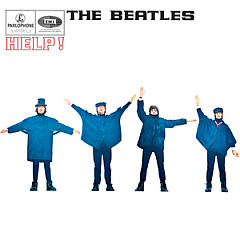
The Singing Nun topped the albums chart on December 7, 1963, in the period following President Kennedy's assassination as America sought atonement by turning to religious material. It was finally usurped from the #1 spot on February 15, 1964, by The Beatles' first chart-topper, Meet The Beatles!.
This was the first song by a Belgian artist to reach #1 in the US; it remained the only one until Gotye hit the top with "
Somebody That I Used To Know" in 2012 (he was born in Belgium, but moved to Australia at age 2).
The Singing Nun recorded a
disco version of this song in 1982 when she was trying to raise cash to pay off her debts. It went nowhere.
"Dominique" plays in several episodes of the 2012 TV series American Horror Story: Asylum, where Jessica Lange plays a cruel nun who makes sure the song plays continuously in the recreation area of the asylum, driving the inmates even crazier.
A more lighthearted use of the song is in the 1990 movie Mermaids, where Winona Ryder's character watches The Singing Nun perform the song on TV and becomes obsessed with nun culture. The song also shows up in Mad Men ("The Color Blue" - 2009) and The Simpsons ("Bart's Friend Falls in Love" - 1992).