A Rose For Emily

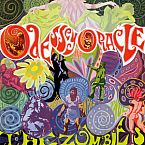
Album: Odessey And Oracle (1968)
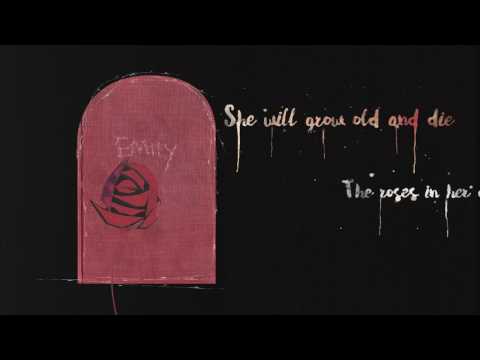
Play Video

Songfacts®:

  • "A Rose for Emily" is the second track on The Zombies' 1968 baroque-pop masterpiece Odessey and Oracle. The song is a wistful, literate lullaby about loneliness.
  • Rod Argent, The Zombies' keyboardist and primary songwriter, plucked the song's title straight from a collection of short stories lying around his parents' house.

    "When I woke up, I knew I had to write a song because we had a rehearsal session that afternoon," he told Uncut magazine. "I found a book of William Faulkner short stories and there was one called 'a rose for Emily.' I didn't read it, but the title tripped off the tongue, so I thought I could build a story around it."

    He took the title from William Faulkner's 1931 Southern Gothic classic A Rose for Emily, a tale that is part ghost story, part psychological autopsy.
  • In William Faulkner's short story, Emily Grierson is a secluded Southern woman who, driven by isolation and desperation, fatally poisons the man she loves to ensure he stays with her forever. The Zombies' song draws inspiration from this character and the titular rose, shifting its focus to Emily's deep-seated loneliness and the absence of love in her life.

    Argent's lyrics portray Emily as a solitary figure, tending her garden while watching lovers come and go, each exchanging roses - except for her. The fading roses in her garden are a metaphor for the passing of time and the gradual withering of Emily's hopes and dreams. Ultimately, she dies alone, with "not one left for her grave, not a rose for Emily."
  • The core instrumentation comprises piano and vocal harmonies with no drums or bass guitar - a rarity for pop songs of the era. The piano, played by Rod Argent, carries both the melody and harmonic structure, while Colin Blunstone's lead vocal is supported by lush three-part harmonies from the rest of the band. The original arrangement's restraint and focus on vocal harmony creates a haunting, melancholic soundscape that matches the song's themes of loneliness and longing.
  • The song originally included cello and Mellotron parts, but they were nixed at the final mix. If you're curious what it might have sounded like with more sonic heft, those alternate takes appear on the Zombie Heaven box set and the 30th anniversary edition of Odessey and Oracle - sort of like deleted scenes for pop obsessives.
  • "A Rose for Emily" arrives right after "Care of Cell 44" on Odessey and Oracle which is, oddly enough, one of the jauntiest songs ever written about someone getting out of prison. Emily's melancholy ushers in the album's deeper themes - love, loss, nostalgia - wrapped in English whimsy and late-'60s psych-pop finery.
  • My Chemical Romance's 2004 track "To The End" also took inspiration from William Faulkner's A Rose for Emily. That song, with its doomed love and shadowy bridal chamber, owes much to Faulkner's embalmed Miss Grierson and her eternally preserved lover.

Comments

Be the first to comment...

Editor's Picks

Edie Brickell

Edie BrickellSongwriter Interviews

Edie Brickell on her collaborations with Paul Simon, Steve Martin and Willie Nelson, and her 2021 album with the New Bohemians.

Hawksley Workman

Hawksley WorkmanSongwriter Interviews

One of Canada's most popular and eclectic performers, Hawksley tells stories about his oldest songs, his plentiful side projects, and the ways that he keeps his songwriting fresh.

Into The Great Wide Open: Made-up Musicians

Into The Great Wide Open: Made-up MusiciansSong Writing

Eddie (played by Johnny Depp in the video) found fame fleeting, but Chuck Berry's made-up musician fared better.

Best Band Logos

Best Band LogosSong Writing

Queen, Phish and The Stones are among our picks for the best band logos. Here are their histories and a design analysis from an expert.

Charlie Daniels

Charlie DanielsSongwriter Interviews

Charlie discusses the songs that made him a Southern Rock icon, and settles the Devil vs. Johnny argument once and for all.

Supertramp founder Roger Hodgson

Supertramp founder Roger HodgsonSongwriter Interviews

Roger tells the stories behind some of his biggest hits, including "Give a Little Bit," "Take the Long Way Home" and "The Logical Song."